
Understated Style Collection The Row Silk Dress

How to Choose the Best-Fitting The Row Bag: A Fit Guide
Logos hardly enter into choosing among the row bags. The brand built its standing on proportion and shape, paired with an understated construction apparent only upon close inspection. When weighing the row handbags for the first time, what matters most isn’t photogenic style but practical dimensions. A bag that photographs beautifully in a campaign can still be the wrong size for a commute, a work bag, or a weekend away. In this guide, we break down scale, structure, and function across the label’s most sought-after styles, helping you shop with more precision than instinct alone provides.
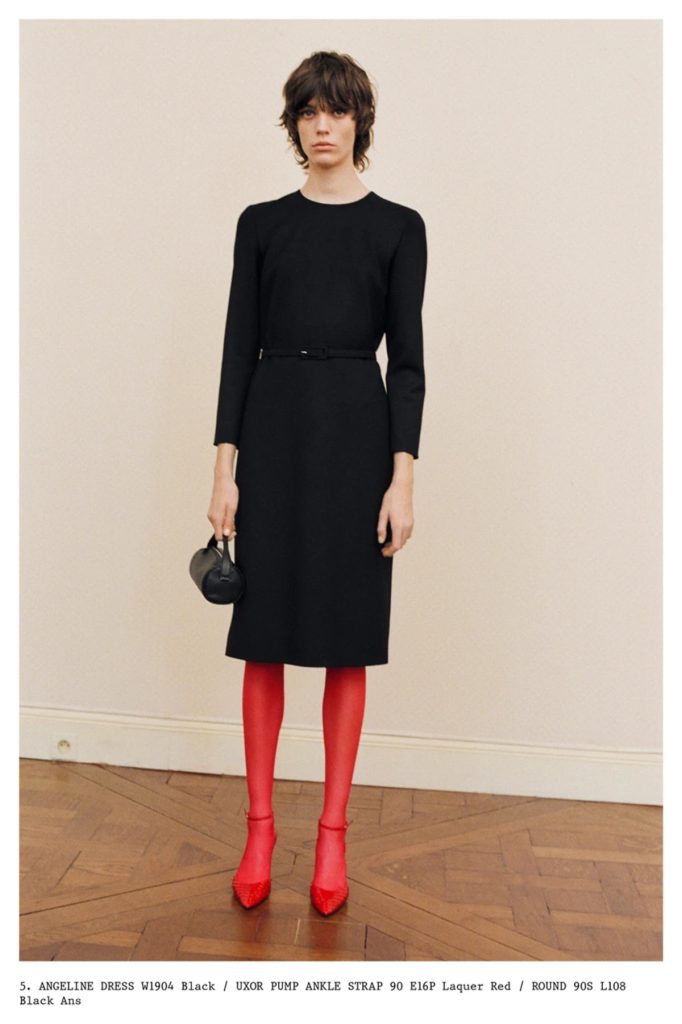
Why Fit Counts More With The Row Than Most Labels
Because The Row fashion favors restraint over branding, it’s the silhouette that conveys the whole visual statement. There is no logo hardware to distract from proportion, so an ill-fitting size is far more noticeable than it would be on a heavily branded bag. A Margaux that’s two inches oversized on a small frame reads as borrowed, not chosen. By contrast, an undersized tote creates daily friction rather than ease for anyone who carries a laptop each day. As the row bag designs put architectural lines and spare embellishment first, even a centimeter of difference in width, height, or strap drop changes how it sits on the body. That’s why sizing warrants closer attention here than with logo-driven labels, where fit often takes a backseat to fit.
Resale value is another factor worth weighing. On the resale market, row handbags in popular and versatile sizes typically retain more value than oversized or very specific variants. Those researching a row sale often find that mid-size totes and shoulder bags sell faster and retain more of their original price than a line’s largest or smallest options. So, understanding sizing before you buy isn’t only about comfort — it protects the investment.
Introducing the Margaux: Its Most Coveted Silhouette
Few questions come up as frequently as where to buy the row margaux bag, and it’s easy to see why — it has turned into the brand’s defining design from the moment it dropped.
Available in multiple sizes, this bag stretches from a small top-handle style to a bigger carryall-style tote; the gap row in size between these variants is significant enough to transform how the bag gets used.
As an evening or errand bag, the smaller Margaux fits a phone, cardholder, and minimal must-haves, remaining slim and uncluttered.
The largest version of the bag, by contrast, is made to fit a 13-inch laptop, a folder of documents, and a water bottle and still have room left.
Shoppers should focus on the drop of the handle as much as the bag’s overall size. A shorter handle drop suits those who prefer carrying by hand or in the crook of the elbow, while a longer drop allows the bag to sit comfortably on the shoulder even over a coat. Genuine items are most reliably found through authorized sellers or The Row’s own channels, so verify seller legitimacy prior to purchase—particularly on resale sites during a row sale. When a style becomes this coveted, counterfeit risk rises—which makes proof of purchase more important than ever.
Tote-Style Bags: Designed for Day-to-Day Capacity
In contrast to the Margaux line, the tote-bag lineup serves a separate role: it’s shaped for everyday capacity and use, not evening versatility. Such totes commonly include open or minimally closed tops, generously sized bases, and either double straps or a single structured handle designed for over-the-shoulder carrying. Commuters carrying a laptop, notebooks, and a change of shoes will find these size distinctions critically important. If the base is narrower than 30 centimeters, the bag will struggle to keep a standard 13-inch laptop sleeve standing straight, forcing awkward angles and early deterioration on the interior lining.
Depth stands as one more dimension that often gets ignored. Totes with a shallow depth of under 12 centimeters tend to leave contents exposed and visible, which matters if you carry personal items or work documents on public transit. Bags closer to 15 to 18 centimeters deep do a better job of concealing what’s inside and distribute load more evenly along the base, easing the pressure placed on stitching across years of use. Given that leather totes in this category are a meaningful investment, understanding these measurements before purchase prevents the common regret of buying a beautiful bag that simply cannot function as an everyday workhorse.
Crossbody Styles and Shoulder Bags
Going beyond totes as well as the Margaux, this survey of row bags couldn’t be considered complete without getting into shoulder and also crossbody silhouettes, which cater to a completely separate rhythm of use. This category of bag tend to favor a slimmer profile, frequently kept to under 25 centimeters wide, meant to hold only essentials — cards, keys, a phone, minimal makeup. Strap length is the critical variable here. A crossbody strap that sits at the natural waist works well for movement-heavy days, such as travel or events involving standing and walking, while a shoulder-length strap suits more formal or seated occasions like dinners and meetings.
Checking adjustability thoroughly is important, since some styles in this category don’t offer a modifiable strap. For shoppers with a shorter torso, a non-adjustable long strap may sit too low, which changes the bag’s position at the hip. Because everyday comfort is significantly affected by a detail that rarely appears in product photography, reviewing the precise drop length before purchase becomes essential rather than optional.
Taking a Closer Look at The Row’s own Signature Bag Categories
The table below summarizes the general sizing logic across the brand’s most searched categories, useful as a quick reference when comparing options across the top row bags currently available.
| Handbag Classification | Approximate Sizing Range | Suggested Purpose | Ideal Handle Type |
|---|---|---|---|
| Margaux (small) | 20–24 cm | Nighttime occasions plus short outings | Handle with a short fall |
| Margaux (large) | 34–38 cm | Carrying a laptop plus office use | Shoulder strap, either option |
| Tote | 32–40 cm | Commuting daily as well as traveling | Dual top handles |
| Shoulder-strap bag | 18–25 cm | Dressy functions involving seated occasions | Shoulder strap that’s set |
| Crossbody | 15–22 cm | Hands-free moments, travel | Flexible long strap |
This overview falls short of complete, as each seasonal lineup shifts somewhat, but it mirrors the general pattern purchasers tend to find throughout popular row-bag lists and brand size charts. Cross-referencing these ranges against your own daily essentials — wallet size, phone or device dimensions, usual load you carry — speeds up the choice much more than judging by looks alone.
What to Do Ahead of Purchasing
Instead of estimating the sizing you think you want from memory, start by taking measurements of your current most-used bag. Lay out the bag, take down its width, height, and depth, then line those figures up with the row handbags size charts made available by authorized retailers. Because buyers habitually misjudge how much bigger or smaller a new bag will feel in practice, this one action does away with most sizing regret.
- Should you be hauling a laptop or tablet daily, nail down the dimensions beforehand.
- Your usual way you carry a bag, be it hand, elbow, or shoulder, should be compared against the handle drop.
- Examine strap adjustability, above all for crossbody and shoulder styles.
- When buying during a row sale or on resale platforms, make sure you confirm that the seller is genuine.
- If it also serves as a long-term investment, its resale value is worth considering.
As a last tip: make an effort to get hands-on with the bag in person when you can, though you complete the purchase online in the end. Select boutiques and department stores that stock The Row frequently display key pieces, enabling a real-world size check before finalizing the purchase. If in-person viewing isn’t feasible, request exact specs straight from the seller instead of depending only on thumbnail photos on the page, because camera perspective and lighting commonly skew apparent size.
Last Word on Sizing Wisely
The strongest approach to choosing among the row bags is treating the decision as practical before pretty — not because style is unimportant, but because in this house’s case, proper fit defines the design. A correctly proportioned bag from this brand tends to come across as costlier and more thoughtfully chosen than a poorly matched one, no matter price point. Matching dimensions to real habits reliably wins out over an impulse purchase, whether your taste leans toward the structured elegance of the Margaux, the daily practicality of a tote, or the ease of a crossbody. Thoughtful sizing now ensures the bag remains in rotation for years to come.